Journal
ADHD Wait Mode: Why Time Blindness Steals Your Whole Day
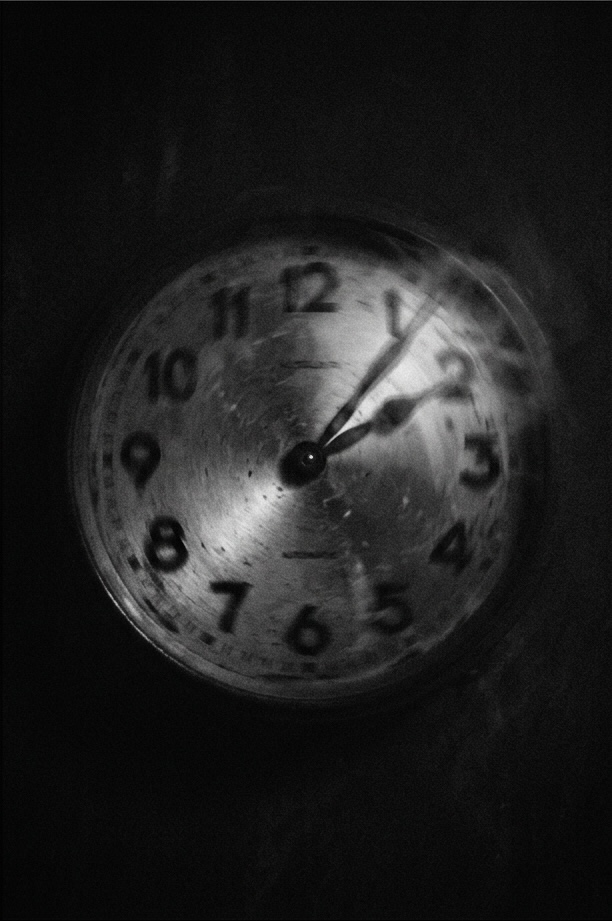
You have a 3 PM appointment.
It is 9 AM. Six hours of clear runway. Enough time to write the proposal, clear the backlog, make the calls, do real work.
But you can’t start anything. The meeting sits in the back of your skull like a loaded gun. Every task you pick up feels pointless because you’ll “only have to stop soon anyway.” So you wait. You make coffee. You check your phone. You convince yourself you’re “settling in.” You look up and it’s 2:47 PM.
A full professional day. Gone to a single appointment.
This is ADHD wait mode. Your brain ran a threat assessment and chose the only response that felt safe: stand still and monitor. ADHD time blindness created the conditions. Nobody explains it this way. Most people spend years convinced they are lazy, unreliable, or fundamentally bad at having a calendar. The shame calcifies. The days keep disappearing.
ADHD Time Blindness Is the Cause. Wait Mode Is the Symptom.
Most articles about ADHD time blindness describe it as “difficulty estimating how long things take.” Accurate. Incomplete.
The deeper mechanism is this. The ADHD brain doesn’t experience time as a continuous spectrum. It runs in two states: now and not now. There is no reliable gradation between them.
A 3 PM appointment doesn’t register as “six hours away.” The moment it enters awareness, it exists as a real, present, imminent event, sitting alongside your 9 AM coffee and your unopened inbox. Your brain cannot hold both simultaneously and extract a usable working window from the gap. The interval collapses. All that remains is the event, and the vigilance it demands.
Here’s what that looks like at your desk. You open a document and your brain immediately begins calculating: how long will this take? Will I need to stop midway? If I’m cut off at a critical point, will I lose the thread entirely? The ADHD brain, without reliable time perception, cannot answer any of those questions accurately. Starting feels dangerous. An incomplete task with an appointment bearing down is a real cognitive risk. So the brain does what it was built to do under threat: it holds position and scans.
The cost is invisible from the outside. You look like someone who is procrastinating. Inside, your brain is running at full capacity, every alarm active, tracking an event that is still hours away. The exhaustion at the end of a wait mode day is real. You haven’t produced anything measurable. But your brain worked flat out doing nothing useful.
That is ADHD wait mode. A direct output of ADHD time blindness operating in a professional environment.
The Urgency Void
In the Flow Decoder Quicksand Audit, we call this specific trap state the Urgency Void.
Are you trapped in the Urgency Void? Take the 90-Second Friction Audit to diagnose exactly what is setting the ceiling on your output, and get the exact protocol to fix it.
The Urgency Void forms when two things happen simultaneously: your brain flags an upcoming commitment as urgent, and it cannot accurately perceive the time available before that commitment arrives. The result is a paralysis loop with no natural exit.
You feel too pressured to start deep work. What’s the point if you’ll be interrupted?
The appointment isn’t close enough to begin preparing for it, so that mode won’t activate either.
Both gears are jammed. ADHD task initiation shuts down. You end up suspended between doing and waiting, watching the clock with one eye and your task list with the other, completing nothing.
For high-ceiling ADHDers, this pattern is especially corrosive because the stakes are higher. You are not losing a casual morning. You are losing the hours when your focus is cleanest and your output potential is highest. Many professionals with ADHD report losing entire project cycles to this. Weeks where every afternoon appointment torpedoed the morning before it. The damage goes undiagnosed because the productivity that does exist, the hyperfocus sprints and last-minute rescues, masks how much time is silently disappearing in the gaps between commitments.
This is not procrastination. Procrastination is a choice to delay something. The Urgency Void is a structural shutdown. The mechanism is completely different, and the fix must be too.
The standard advice doesn’t reach it. “Schedule your appointments in the morning.” “Batch low-effort tasks while you wait.” That advice requires the task initiation the Urgency Void has already disabled. The fix cannot come from inside the loop.
The Anchor Protocol
The Urgency Void sustains itself through vigilance. Your brain is manually monitoring the appointment, holding it in working memory so you don’t miss it. That background process is the tax that shuts everything else down.
Externalise the monitoring. The tax disappears.
The Anchor Protocol is a single intervention from the Emergency Stack:
Set one hard alarm, labelled “LEAVE NOW,” at the exact moment you must physically move.
Not “meeting in 30 mins.” Not a calendar notification. One alarm. One label. Zero ambiguity.
The label matters. When the alarm fires, your brain needs to act immediately, without interpreting. “LEAVE NOW” is not a prompt for consideration. It is the instruction itself. The moment that alarm is set, the commitment leaves working memory. It is offloaded to your phone. The background monitoring stops. The tax lifts.
With the appointment externalised:
- Close your calendar. Remove it from the screen entirely.
- Pick the smallest task with a visible finish line. Something that can be completed and closed before the alarm fires.
- Work until the alarm fires.
You are not trying to salvage a productive day. You are breaking the vigilance loop long enough to finish one thing. One thing completed shatters the Urgency Void. Momentum builds from there.
This is conditions engineering. The structure carries the cognitive load your willpower was never going to carry alone. You are not fixing your ADHD. You are changing the conditions so the void cannot form.
This Is a Pattern, Not a Bad Day
If ADHD wait mode appears regularly in your weeks, it is a diagnostic signal worth mapping, not a character flaw worth punishing yourself for.
The Urgency Void tends to cluster around specific commitment types: meetings without clear agendas, calls with no required preparation, social events that sit in the calendar half-formed. What they share is a missing preparation window. Your brain cannot determine when “getting ready” begins, so it stays in alert mode from the moment you wake up until the commitment passes.
Once you know which commitment types reliably produce the void, you can engineer structural interventions before the day disappears. A standing agenda template for every meeting you own. Pre-written transition routines for calls. Hard time-blocks that carve a genuine boundary between your morning and your afternoon commitment.
The Quicksand Audit in the Flow Decoder maps your personal Urgency Void triggers in detail. The specific commitment types, schedule structures, and environmental conditions that reliably produce the trap for your brain architecture. If you’ve read this far and recognised every sentence, that audit exists for you.
One appointment should not cost eight hours. That gap is a conditions problem. Conditions problems have engineering solutions.
If you’re ready to audit the source rather than manage the symptoms, the Flow Decoder Workbook is where that work begins. The Quicksand Audit is on page one.